Building Credit in the U.S.: A Guide for Immigrants
Starting fresh in the U.S. comes with both opportunities and challenges. Because of this, building a strong financial foundation is essential. One of the most important steps is establishing a credit history, which affects your ability to rent apartments, buy a car, get a mortgage, and sometimes even secure jobs.
For many immigrants, the concept of credit is new. Therefore, learning how to manage it carefully helps avoid high-interest debt traps. This is part of Step 4 of the 7 Money Milestones: Managing Debts.
Your 4 Steps to Build Credit in the U.S.
Building credit may feel confusing at first. However, if you follow a clear path, it becomes much easier. In the following steps, you will learn how to establish a solid financial base and avoid common mistakes.
Step 1: Open a U.S. Bank Account
In addition, U.S. banks follow identity verification rules under KYC and the Patriot Act. This means they may ask for your SSN or ITIN, employment details, and source of funds. Overall, this process is routine and ensures that your banking is safe and secure.


Step 2: Start Building Your Credit History
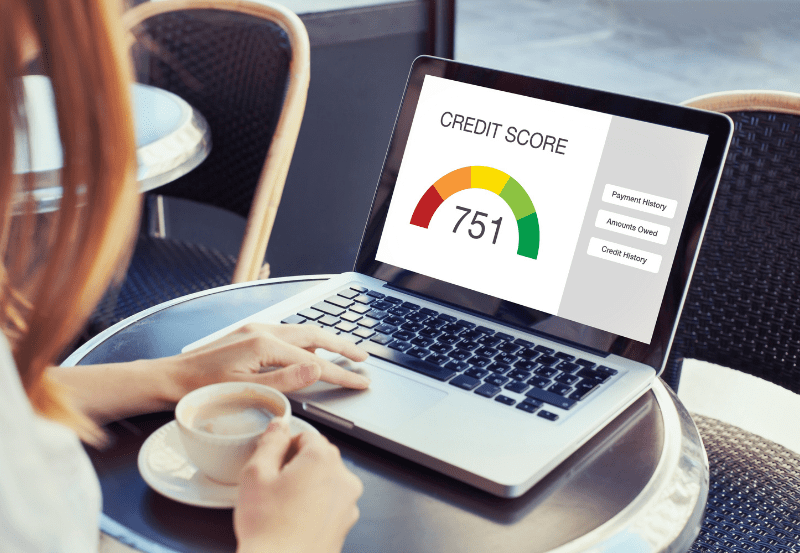
Once your bank account is set up, you can begin building credit. At this stage, it is important to start small and stay consistent. For example, you can apply for a secured credit card, take a credit-builder loan, or become an authorized user on a trusted family member’s or friend’s card.
At the same time, follow these best practices:
- Pay on time, every time
- Keep your balance below 30% of your limit
- Check your credit report regularly
As a result, you will begin to build a positive credit history within a few months.
Step 3: Manage Debt Wisely
Step 3: Manage Debt Wisely
At this stage, credit becomes a tool, but it can also become a risk. In other words, how you use debt matters more than the amount. For example, interest compounds quickly, especially on credit cards. As a result, high-interest debt can grow faster than expected and become difficult to manage if not addressed early.
To better understand this, consider the Rule of 72. This simple formula helps you estimate how quickly debt can double. You divide 72 by the interest rate to see the number of years it takes. For instance, at 24% interest, which is common on many credit cards, debt can double in about 3 years. At a lower rate, such as 12%, it still doubles in about 6 years. Therefore, carrying a balance for too long can significantly increase the total amount you repay.
Because of this, it is important to stay in control of your debt. Pay balances in full whenever possible, avoid payday loans or other high-interest options, and use credit only when you are confident you can repay it on time. Ultimately, credit should work for you—not against you.
Step 4: Build Long-Term Financial Habits
Finally, consistency is what strengthens your credit over time. Even small actions, when repeated regularly, make a big difference. Automate payments to avoid late fees, track your spending to stay within budget, and keep older accounts open to build history. Over time, these habits will improve your credit score, increase your access to better financial products, and set you on the path to long-term financial stability.
Quick Tips for Newcomers
- Start small: Open a checking or savings account, even with a minimal balance.
- Savings count: Even a 0.01% interest rate helps develop financial habits.
- Use credit responsibly: Begin with secured cards or small loans.
- Pay on time: Late payments damage your credit.
- Check multiple banks: If one requires a permanent address, others may accept temporary proof.
- Track your progress: Monitor your credit report for mistakes.
- Regulatory Awareness: Be ready to provide ID, proof of address, and ITIN/SSN. This is standard under KYC and the Patriot Act.
U.S. Banking System: What Makes It Unique
| Feature | How It Works in the U.S. | How It Differs from Other Countries | Why It Matters for Newcomers |
| Credit-Centric System | A credit score determines access to loans, rentals, and sometimes jobs. | A credit score determines access to loans, rentals, and sometimes jobs. | You need to build credit even if you have a stable income. |
| ChexSystems | A credit score determines access to loans, rentals, and sometimes jobs. | Few countries track account history centrally. | Past banking mistakes can prevent account approval. |
| FDIC Insurance | Deposits up to $250,000 per account are guaranteed. | Limits vary widely internationally. | Ensures your money is safe. |
| Separate Checking & Savings Accounts | Checking for spending, savings for deposits; savings interest is very low (≈0.01%). | Many countries combine both functions in one account with higher interest. | You may need both accounts to manage money effectively. |
| Credit & Debit Cards | Widely used for payments and building credit. | Cash or direct debit dominates in many countries. | Using cards responsibly is essential for credit history. |
| Fees & Overdrafts | Overdraft, maintenance, and ATM fees are common. | Fees are often lower abroad. | Using cards responsibly is essential for a credit history. |
| Credit Reporting Scope | Only certain loans/cards count; rent/utilities usually do not. | Other countries may consider all bills. | May need special services to report rent/utilities for credit. |
| Competition & Options | Banks, credit unions, fintech, and online banks offer different products. | Some countries have a few large banks. | Explore options to find the best fit. |
Building credit is a marathon, not a sprint. Start with a bank account, use credit responsibly, and manage debts carefully. This foundation opens doors to future milestones, like saving for a home, investing, and planning for retirement.
Frequently Asked Questions
Building credit is a marathon, not a sprint. Start with a bank account, use credit responsibly, and manage debts carefully. This foundation opens doors to future milestones, like saving for a home, investing, and planning for retirement.